Expertise
Eight areas read like a cross-section: the data legacy at the surface, processing and interpretation at depth, field work and training running through. Each entry leads to a detailed page.

Data Management
Inventory, consistency, indexing and harmonisation of databases: a data legacy becomes a usable base again.
Inventory and consistency, Quality and georeferencing, Archiving and databases.
Read the pageGeophysical data processing
2D/3D seismic processing and reprocessing, tape transcription, document digitisation: old data becomes readable again.
Processing and reprocessing, Media and historical documents.
Read the pageGeoscience & reservoir studies
Structural and stratigraphic interpretation, petroleum systems, prospectivity, modelling; reservoir studies with specialist partners.
Interpretation and mapping, Basins and prospectivity, Reservoir studies, with specialist partners.
Read the pageLaboratory
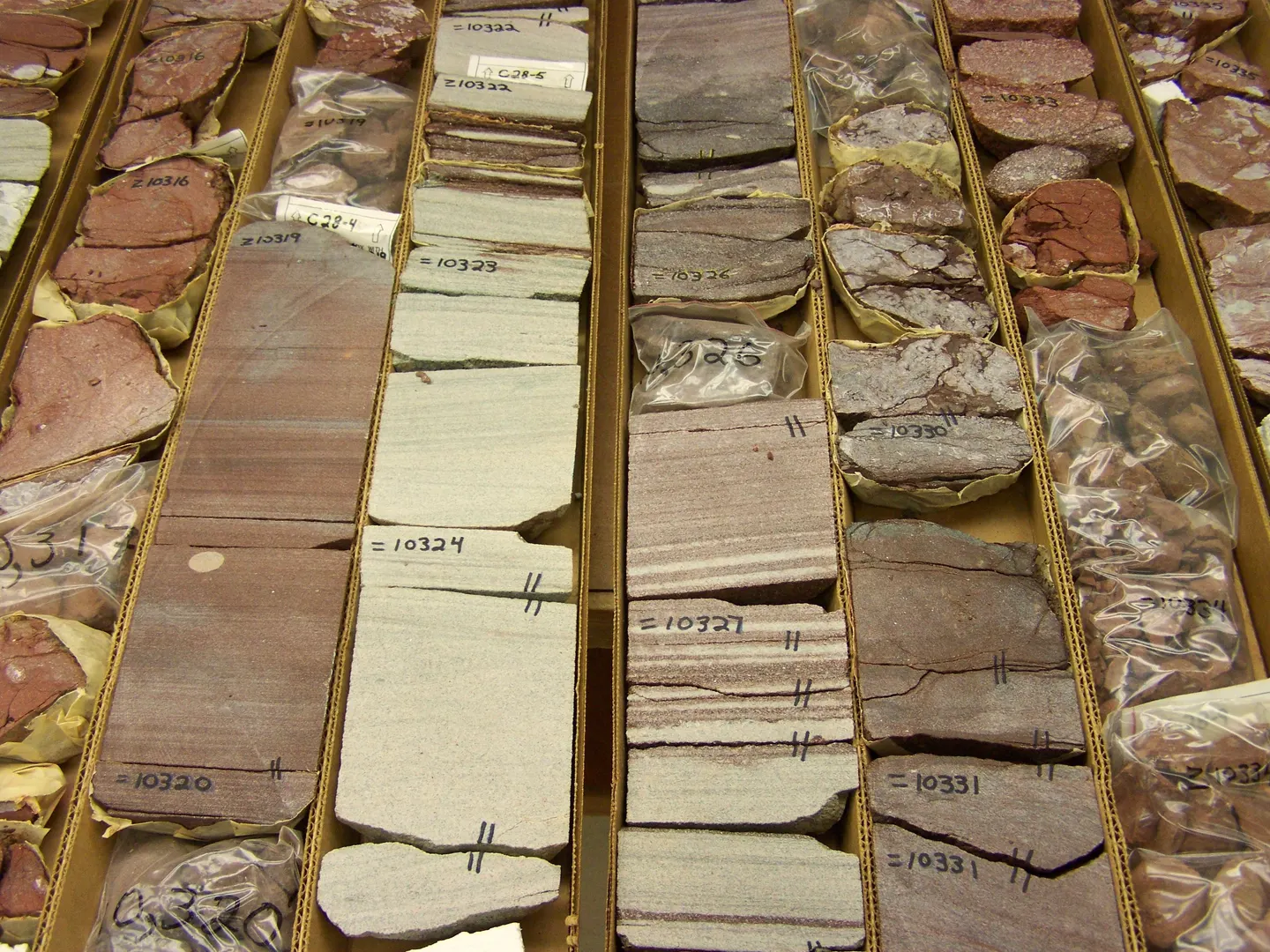
Petrophysics, rock mechanics, core description, geochemistry: measurements feed the characterisation of petroleum systems.
Petrophysics and mechanics, Cores, cuttings and field, Integration and geochemistry.
Read the pageGIS & geomatics
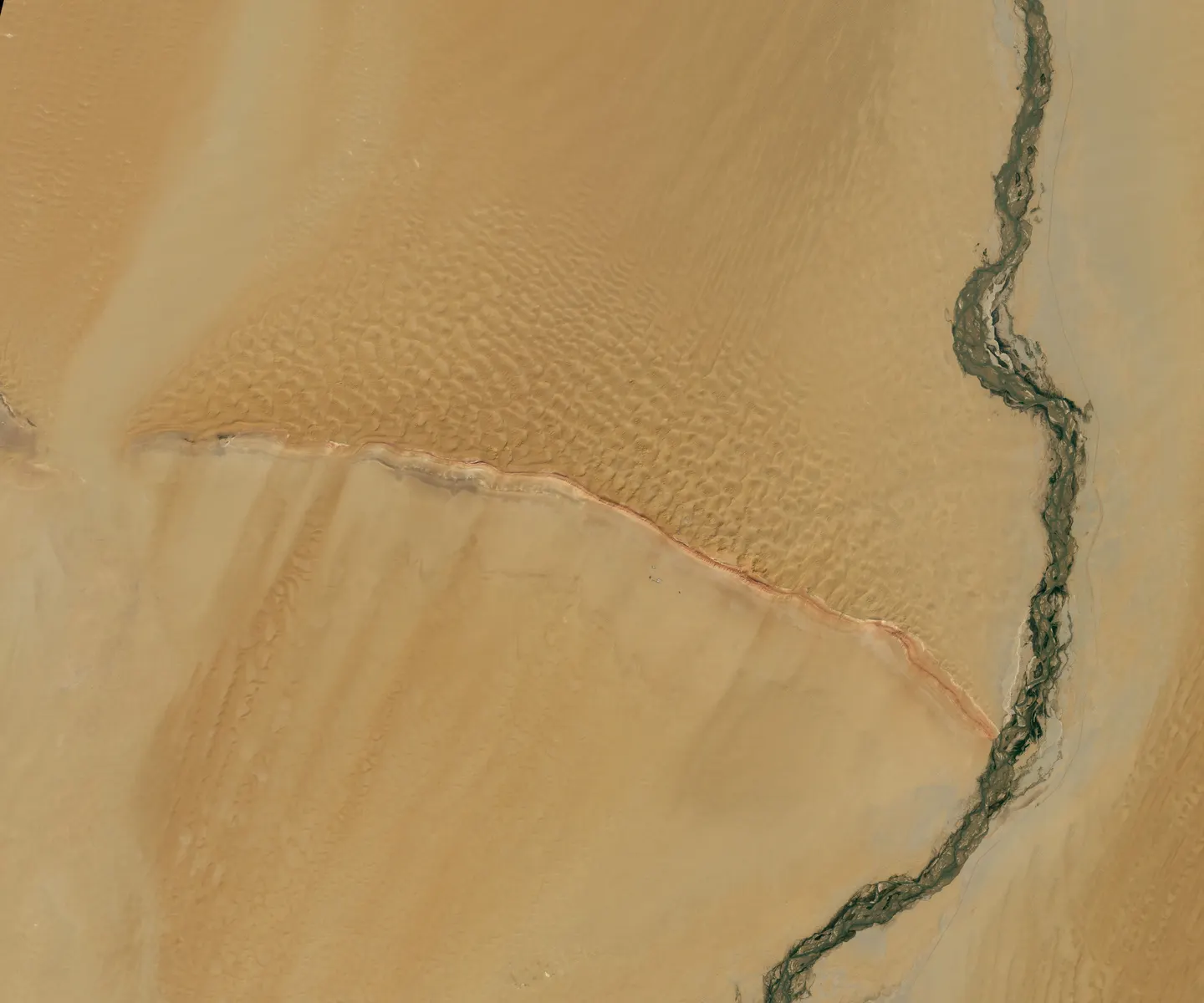
Geospatial data and imagery, georeferencing, geospatial databases, web maps and web GIS applications.
Collection and value, Databases and standards, Analysis and publication.
Read the pageField operations
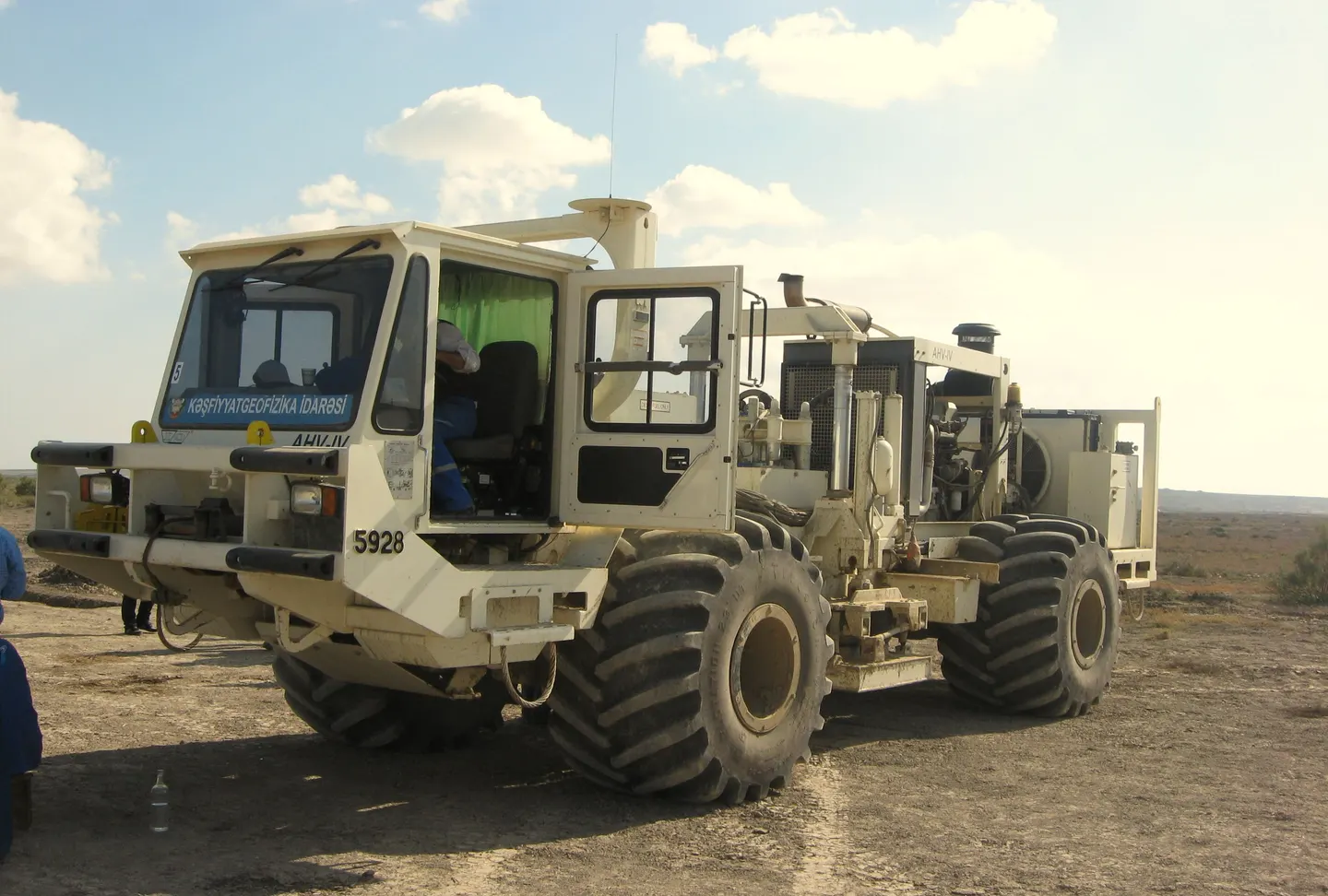
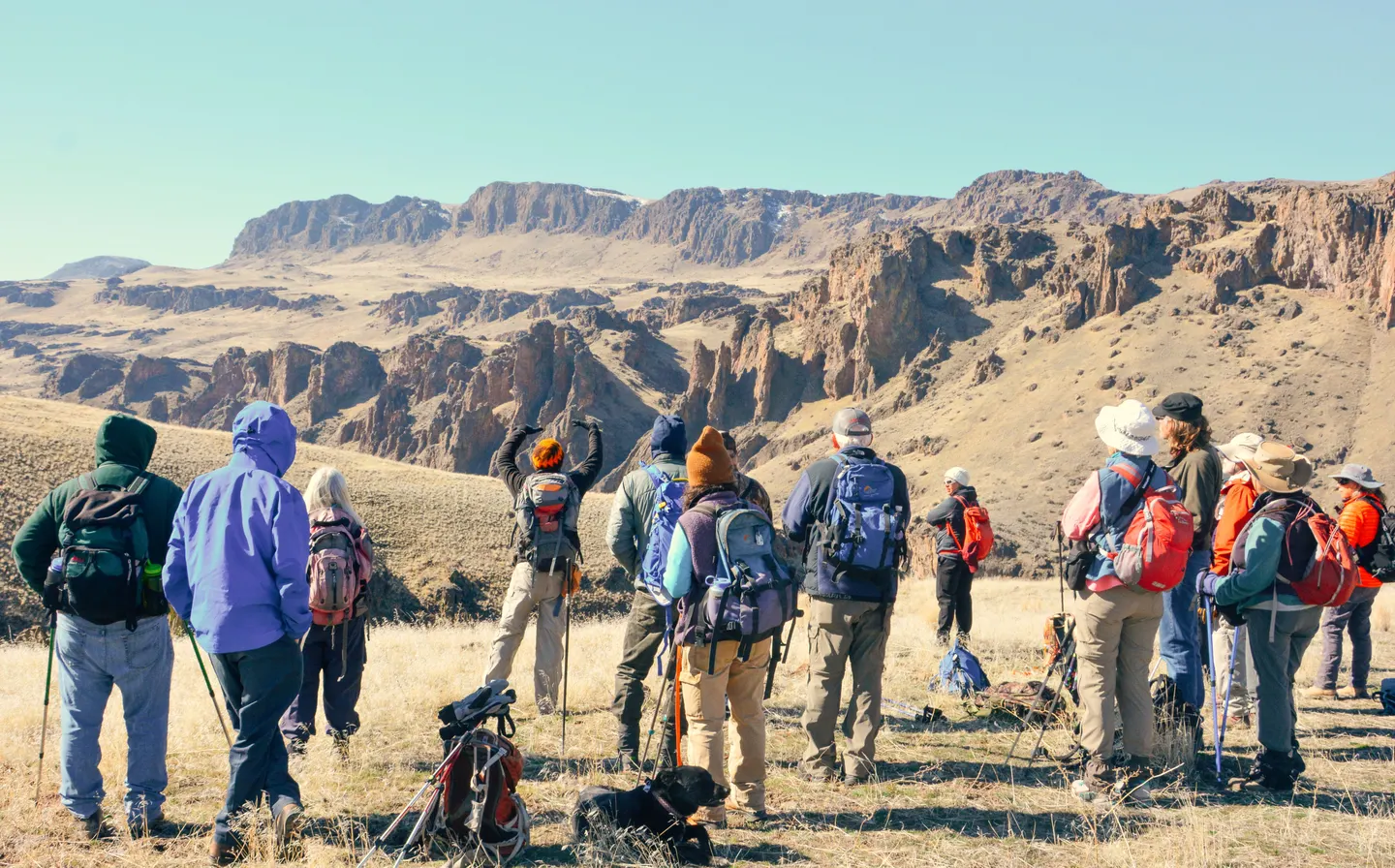
Mud-loggers, well-site engineers, geologists and geophysicists available; supervision of seismic acquisition and geological well-site follow-up.
Seismic acquisition, Drilling.
Read the pageData storage
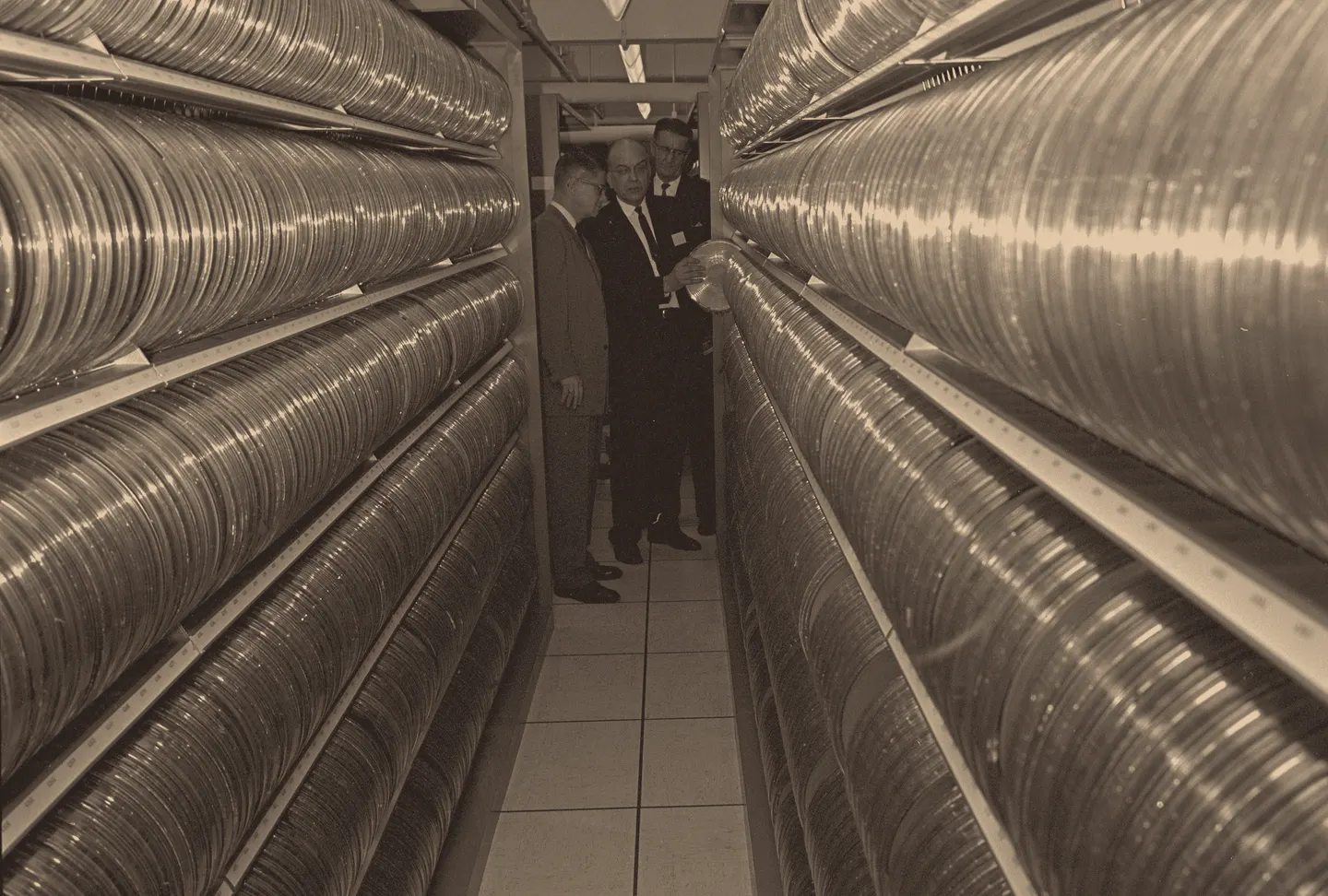
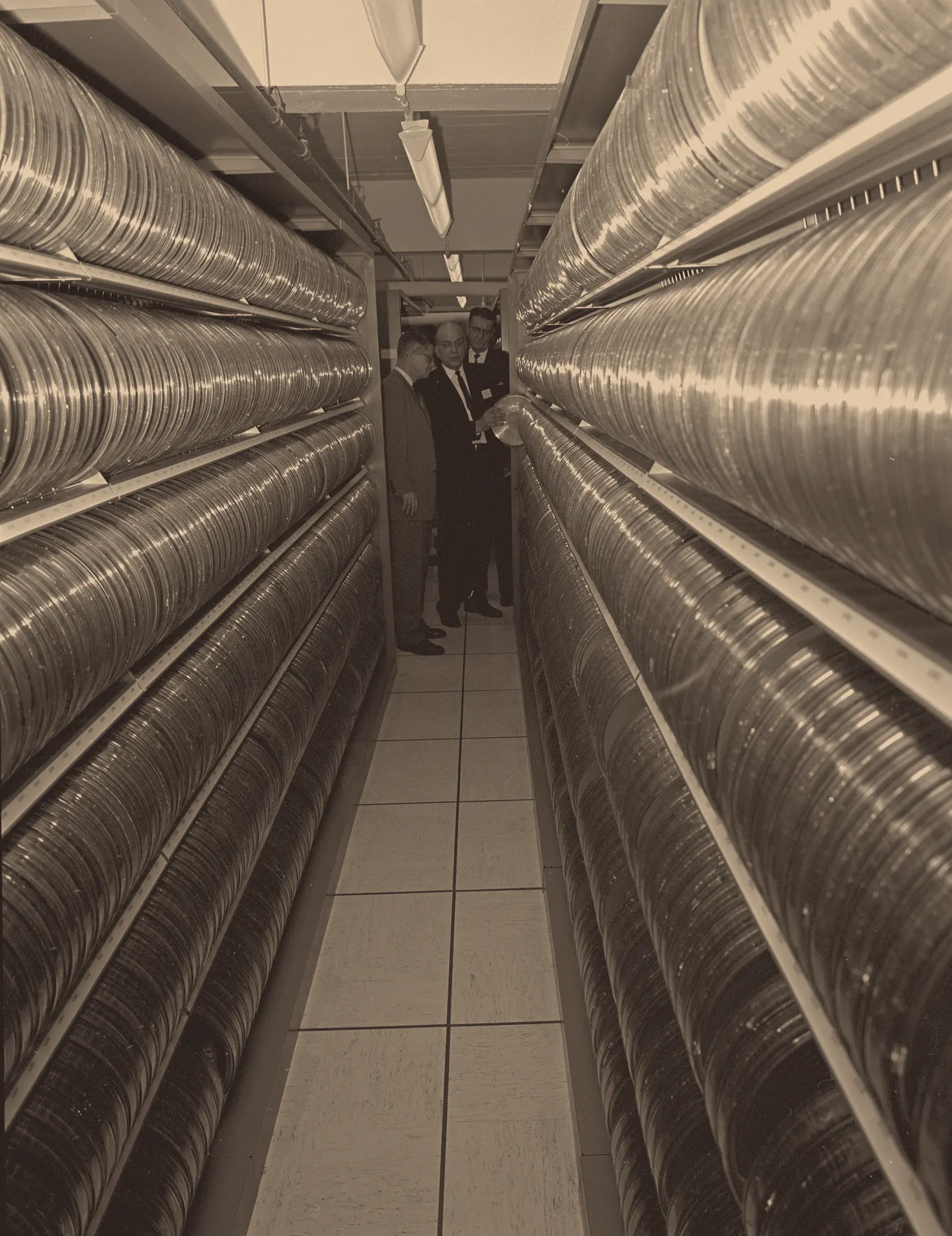
Secure storage of physical and digital media, inventory, transcription and remastering, backup.
Physical media, Transcription and digital.
Read the pageTraining
Geoscience training programmes built by experts with academic or industry experience, on three levels.
Read the page